True craftsmanship in wiring continues after the final terminal is tightened. The ongoing performance, compliance, and serviceability of any system depend on how well it is documented, labeled, and verified. Without organized records and consistent labeling, even an advanced control system can become unmanageable and error-prone within months. Proper records and inspections transform temporary connections into traceable, lasting infrastructure.
### **The Role of Documentation**
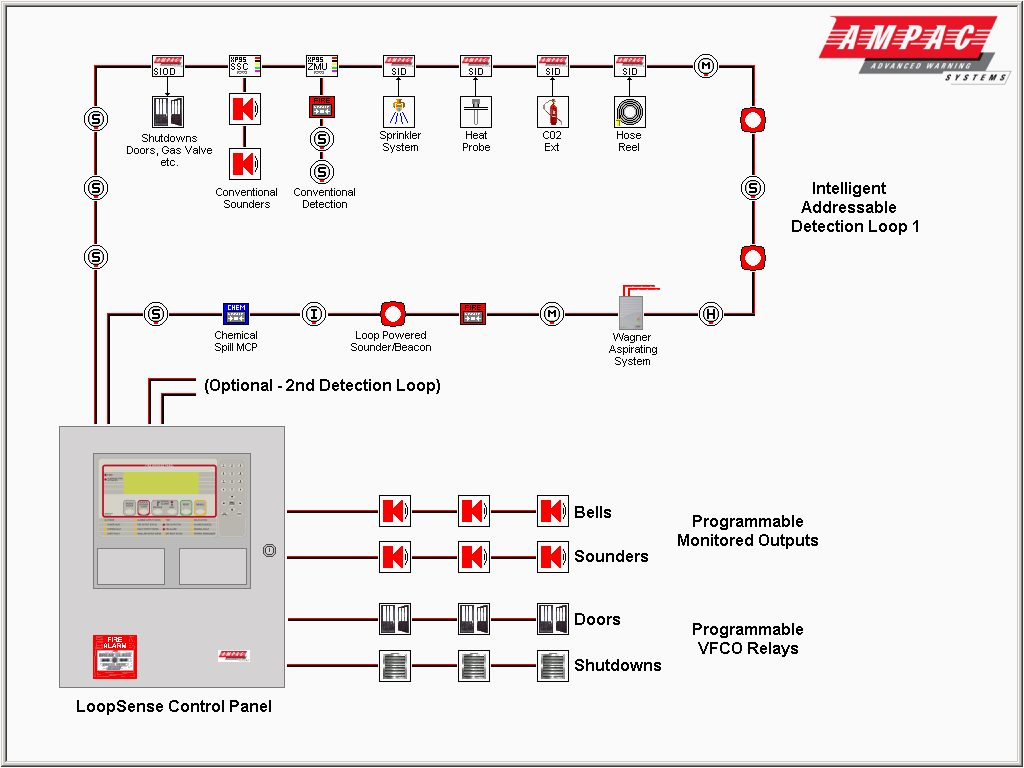
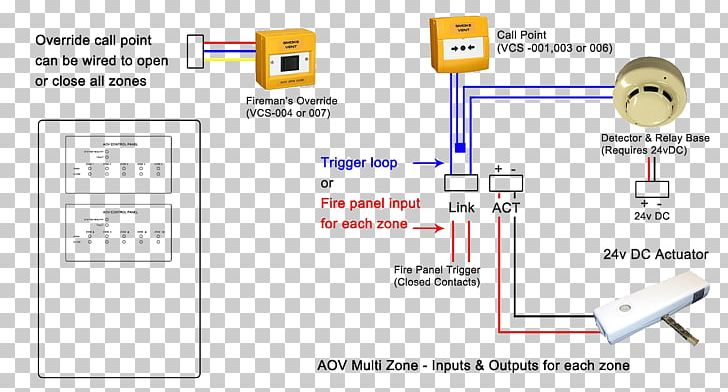
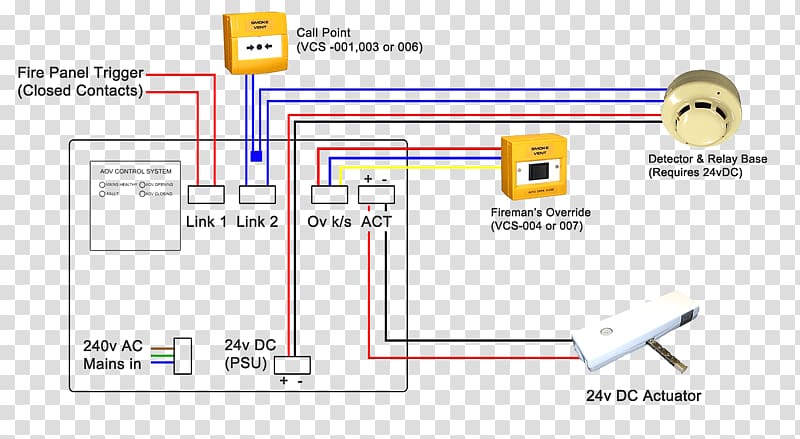
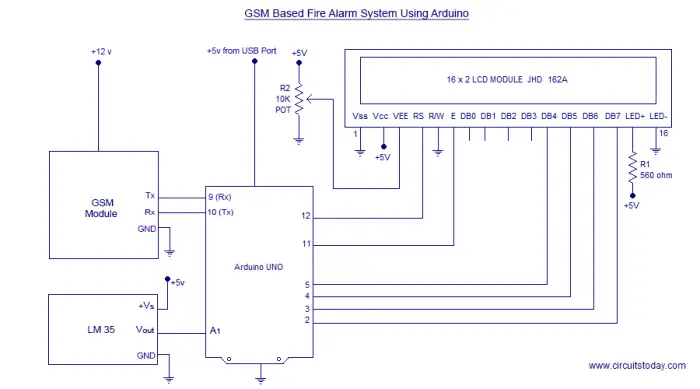
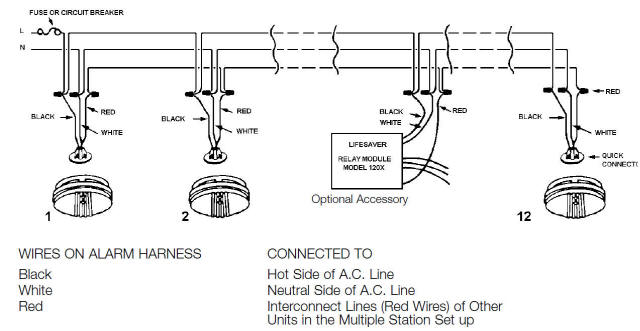
Documentation is the technical record of an electrical system. It includes schematics, wiring diagrams, terminal lists, load tables, and revisions that describe how every conductor, fuse, and relay connects and functions. Engineers rely on these records to understand logic, verify safety, and maintain systems.
Accurate documentation begins before the first wire is pulled. Each circuit must have a unique identifier that remains consistent between drawings and field labels. When changes occurrerouted cables, new junction boxes, or substitute partsthey must be reflected immediately in drawings. A mismatch between schematic and installation causes delays, confusion, and safety risks.
Modern tools like CAD or EPLAN software generate uniform diagrams with linked parts data. Many integrate with asset management systems, linking each component to serial numbers, calibration logs, or test results.
### **Labeling and Identification**
Labeling turns documentation into visible reality. Every wire, terminal, and device should be uniquely identified so technicians can work safely without guessing. Proper labeling prevents misconnection and improves service quality.
Effective labeling follows these principles:
- **Consistency:** Use one coherent coding method across entire installations.
- **Durability:** Labels must resist UV and mechanical wear. industrial tags and etched plates last longer than printed labels.
- **Readability:** Font and color contrast should remain clear in dim environments.
- **Traceability:** Every label must match a point in the documentation.
Color coding adds instant recognition. standard IEC conductor colors remain common, while different colors separate control and power circuits.
### **Inspection and Verification**
Before energizing any system, conduct structured inspection and testing. Typical tests include:
- Line and neutral verification.
- Dielectric integrity testing.
- Conductor resistance and protection checks.
- Simulation of interlocks and relays.
All results should be recorded in commissioning reports as baseline data for the assets lifecycle. Deviations found during tests must lead to immediate rework and record adjustment.
### **Quality-Control Framework**
Quality control (QC) ensures every installation step meets design and standards. It starts with incoming inspection of components and wiring materials. Supervisors check termination quality and physical condition. Visual inspections detect damage, looseness, or contamination.
Organizations often follow ISO 9001 or IEC 61346. These frameworks require evidence for each process and traceable verification. Digital QC systems now allow real-time cloud-based recording. Managers can approve stages instantly, reducing delays and miscommunication.
### **Change Management and Revision Control**
Electrical systems rarely remain static. Components are replaced and extended over time. Without proper revision control, records lose integrity. Each modification should include traceable version metadata. As-built drawings must always reflect the final installed condition.
Version control tools track modifications centrally. This prevents conflict between multiple editors. Historical logs allow engineers to audit safety and accountability.
### **Training and Organizational Culture**
Even the best systems fail without disciplined people. Teams must treat documentation as a mark of engineering pride. Each recorded detail contributes to system knowledge.
Training programs should teach best practices for traceability and revision. Regular audits help sustain accuracy. Panel inspections and random checks confirm that records mirror reality. Over time, this builds a workforce that values detail and consistency.
Ultimately, documentation is not bureaucracyits engineering memory. A system that is well-documented, clearly labeled, and routinely verified remains safe, efficient, and serviceable. When records stay current, electrical systems stay dependable for decades.