Across todays automation networks, sensors and actuators form the vital connection between the physical world and digital intelligence. They translate real-world phenomenatemperature, pressure, motion, illumination, or substance concentrationinto signals that controllers can analyze and act upon. Without this conversion, automation would be ineffective and unresponsive. Understanding how sensors and actuators work, and how they interact, is essential for anyone designing or troubleshooting modern automation systems.
A measuring device is a device that measures a variable and transforms it into an electrical signal. Depending on the application, this could be digital pulse. Behind this simple idea lies a complex chain of transduction and calibration. For example, a thermal transducer may use a RTD element whose resistance changes with heat, a pressure sensor may rely on a strain gauge that changes resistance with stress, and an photoelectric element may use a photodiode reacting to light intensity. Each of these transducers turns physical behavior into usable electrical information.
Sensors are often categorized as active or passive. Active sensors require an external supply voltage to produce an output, while self-powered sensors generate their own signal using the energy of the measured variable. The difference affects circuit design: active sensors require regulated power and noise suppression, while passive types need signal conditioning for stable readings.
The performance of a sensor depends on accuracy, resolution, and response time. Engineers use signal conditioning circuits to refine raw data before they reach the controller. Proper earthing and EMI protection are also essentialjust a few millivolts of interference can distort readings in high-sensitivity systems.
While sensors provide feedback, drivers perform output work. They are the force generators of automation, converting electrical commands into movement, thermal energy, or fluid control. Common examples include electric motors, electromagnetic plungers, valves, and heating elements. When the control system detects a deviation from target, it sends control signals to actuators to restore balance. The speed and precision of that response defines system performance.
Actuators may be electrical, fluidic, or mechanical depending on the required force. Electric motors dominate due to their precise response and easy integration with electronic circuits. incremental drives and servomotors offer precise positioning, while linear actuators translate rotation into linear motion. In high-power systems, electromagnetic switches serve as secondary control devices, switching large currents with minimal control effort.
The interaction between detection and control forms a feedback loop. The controller continuously monitors inputs, compares it with setpoints, and modifies response accordingly. This process defines closed-loop control, the foundation of modern mechatronicsfrom basic regulators to advanced process control. When the sensor detects that the system has reached the desired condition, the controller reduces actuator output; if conditions drift, the loop automatically compensates.
In advanced applications, both sensors and actuators communicate via fieldbus systems such as Profibus, EtherCAT, or CANopen. These protocols enable real-time data exchange, built-in fault detection, and even remote configuration. intelligent sensing modules now include microcontrollers to preprocess signals, detect faults, and transmit only meaningful datareducing communication load and improving reliability.
Integration also introduces new challenges, especially in timing and accuracy management. If a sensor drifts or an actuator lags, the entire control loop can become oscillatory. Regular calibration using reference standards ensures data integrity, while actuator verification keeps motion consistent with command. Many systems now include auto-calibration routines that adjust parameters automatically to maintain accuracy.
Safety and redundancy remain critical. In mission-critical environments, multiple sensors may monitor the same variable while paired actuators operate in parallel. The controller validates data to prevent fault propagation. This approachknown as fault-tolerant designensures that even if one component fails, the system continues operating safely.
From basic detectors to miniaturized micro-sensors, sensing technology has evolved from passive elements to intelligent components. Actuators too have advanced, now including position feedback and current monitoring. This fusion of sensing and action has transformed machines from reactive systems into learning automation systems.
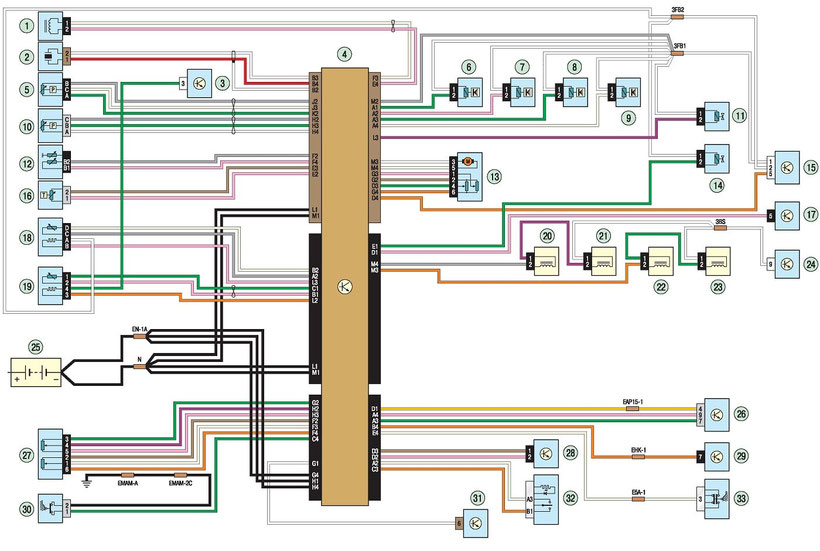
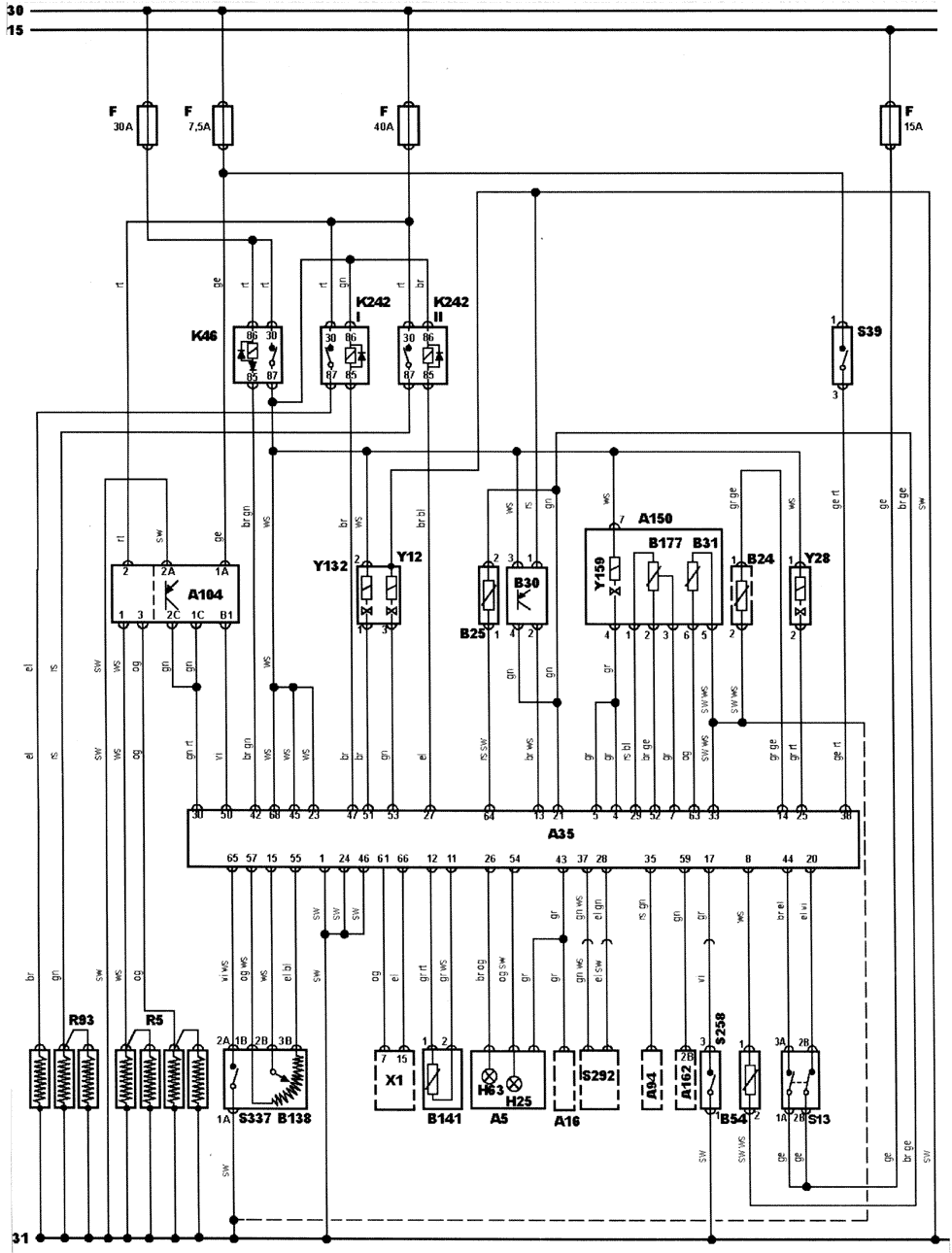
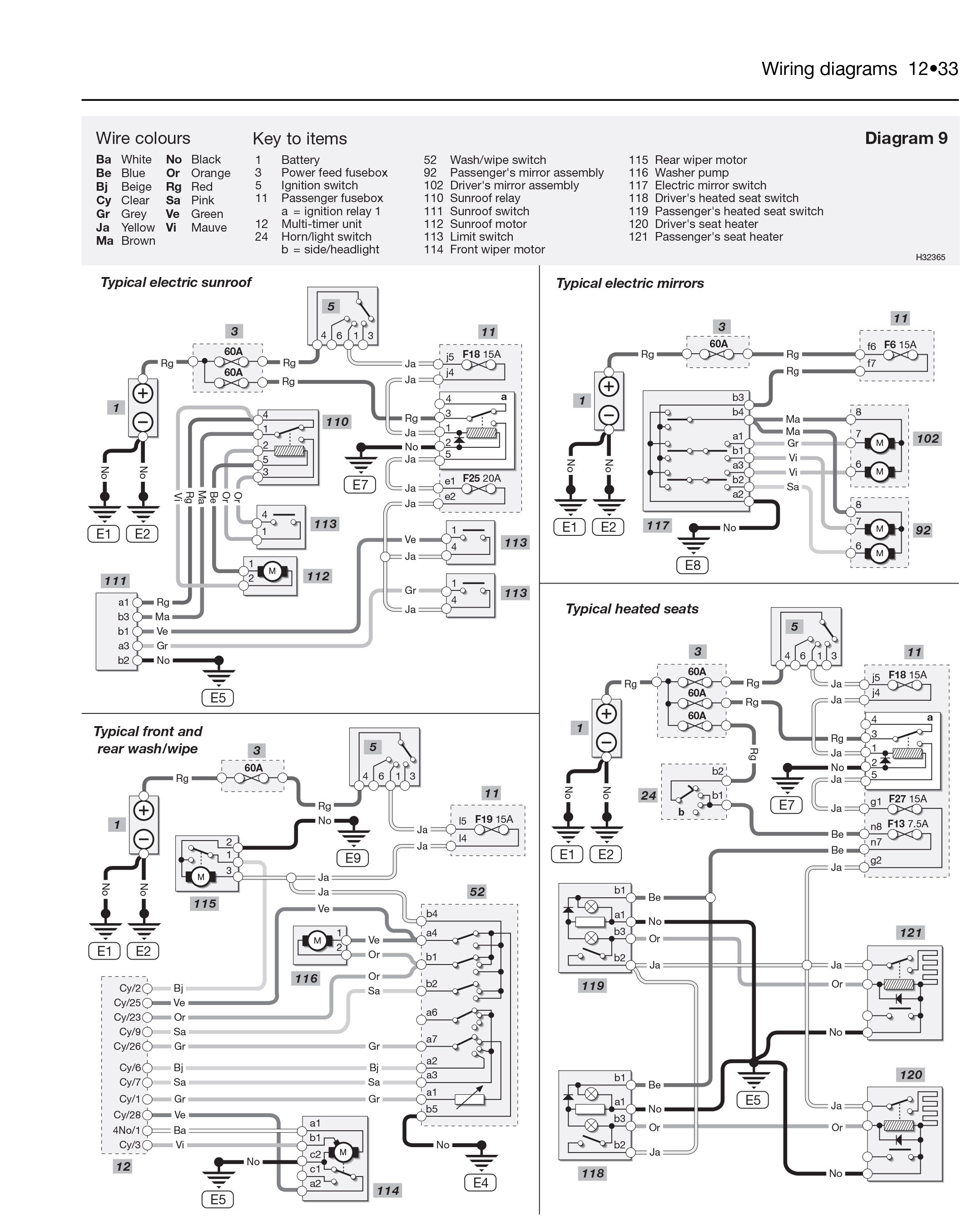
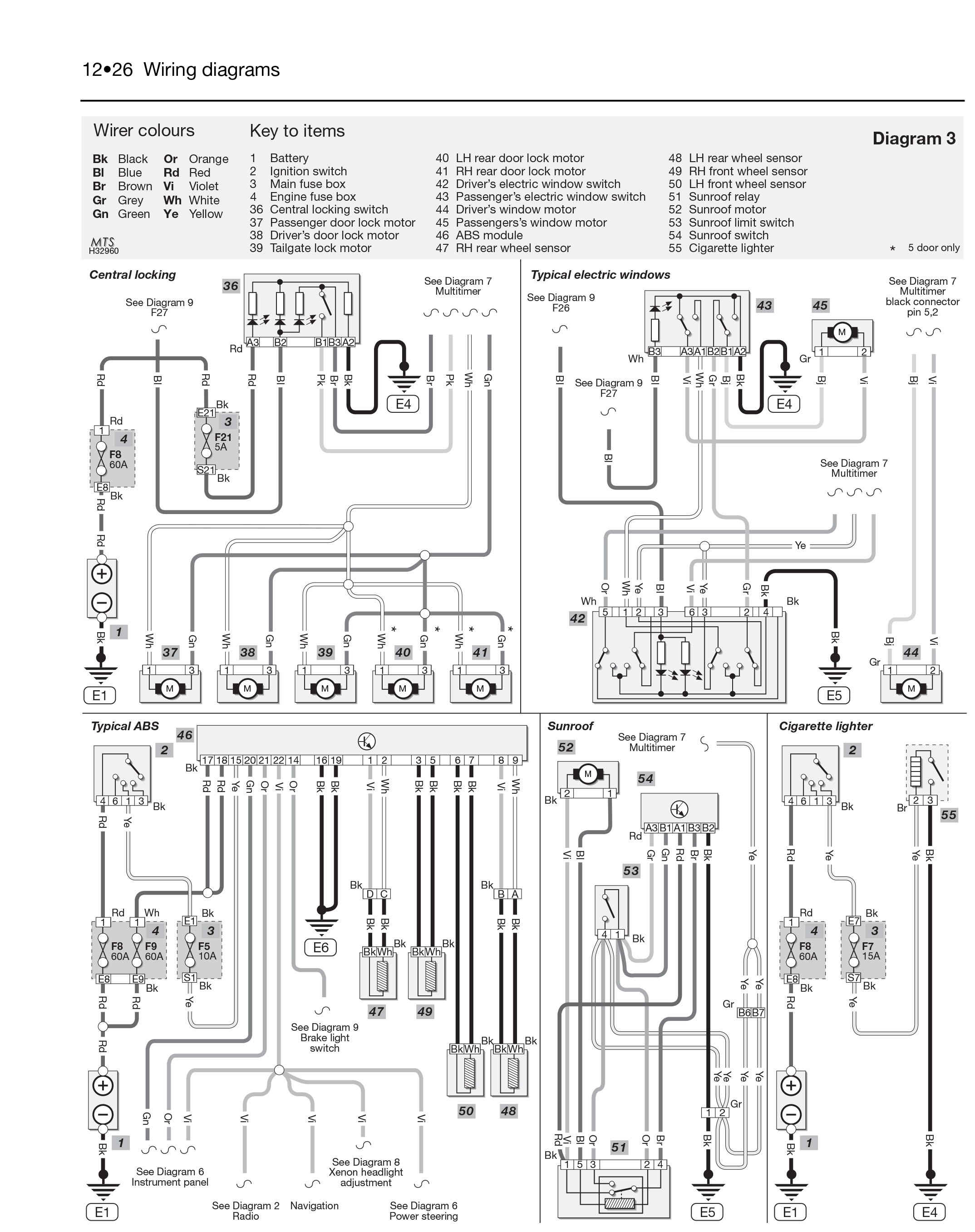
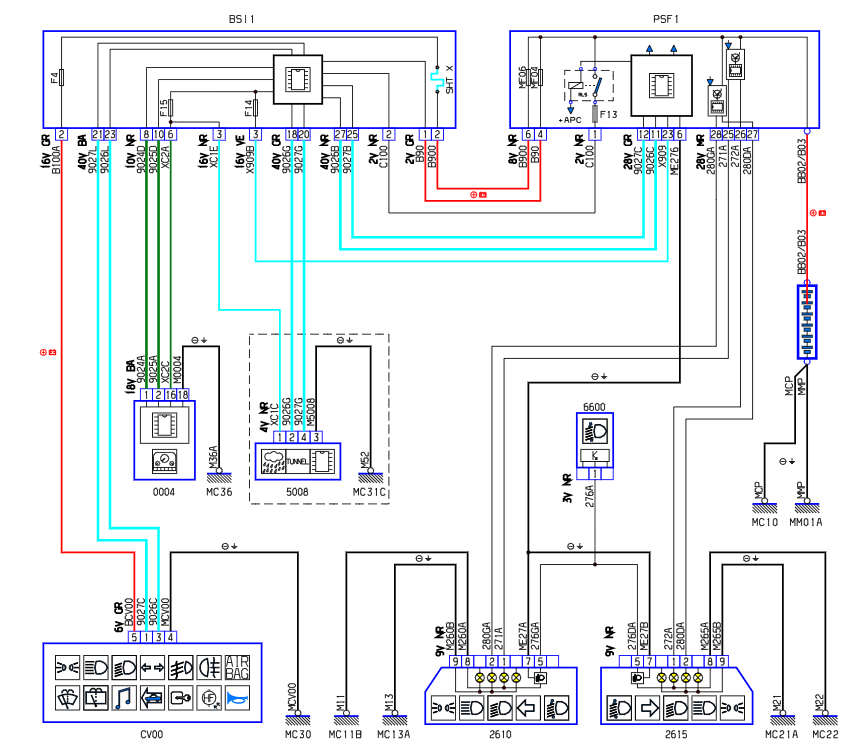
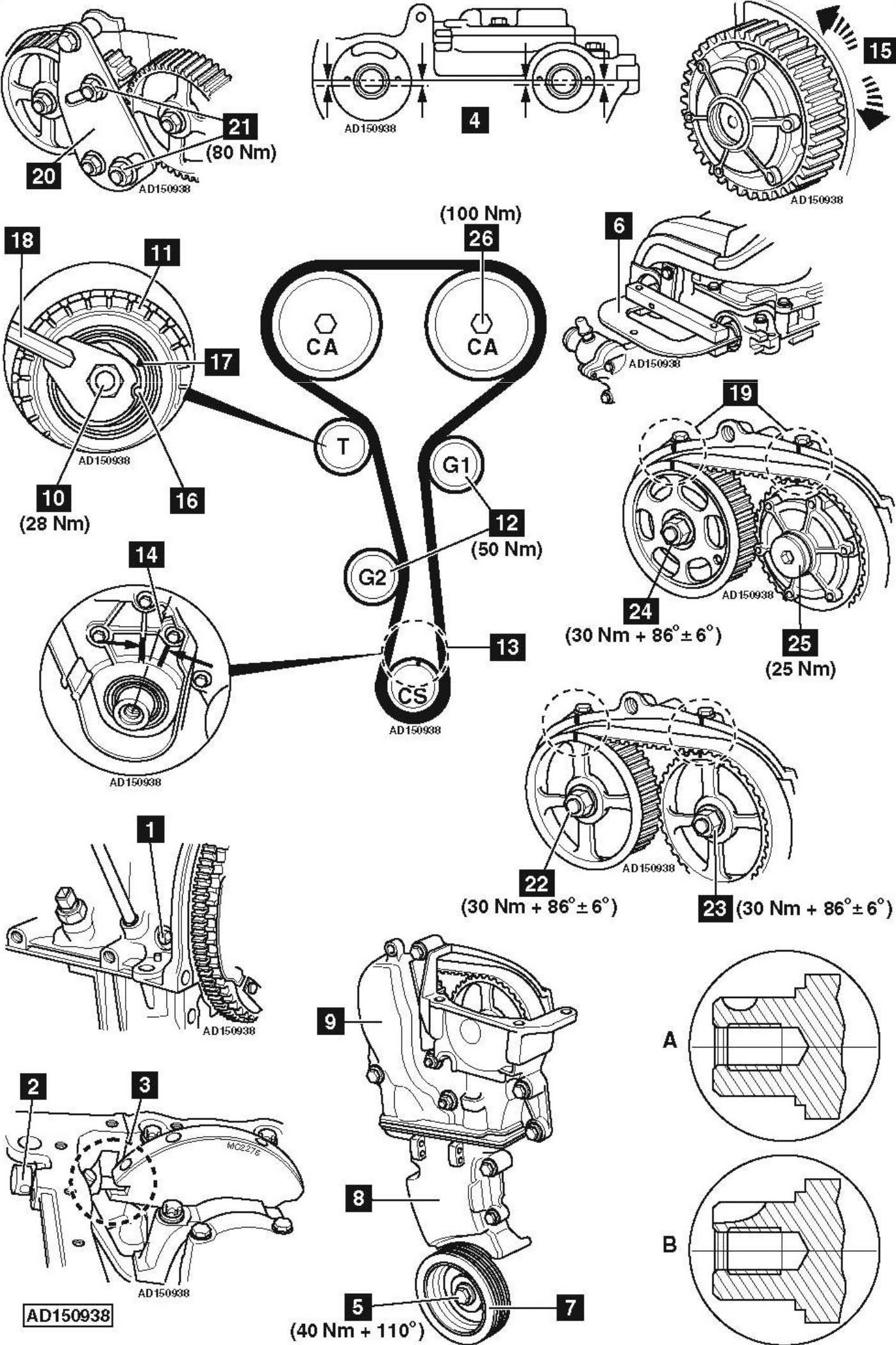
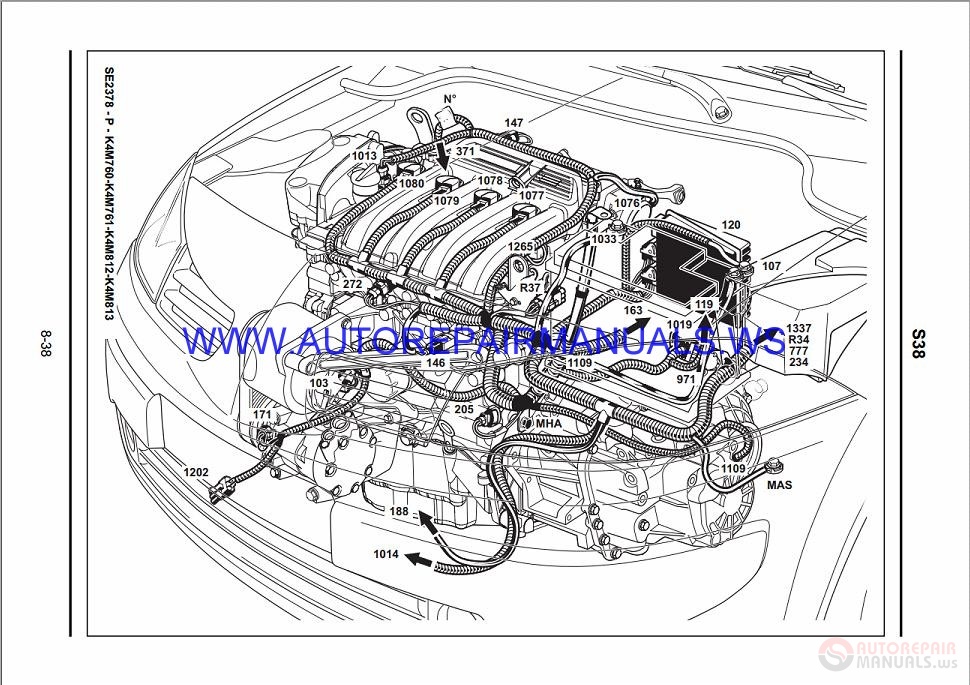
Ultimately, the connection between measurement and motion defines the capability of any control system. Sensors observe, actuators enforce change. Between them lies the controllerthe brain that interprets, decides, and commands. When all three work in harmony, the result is a machine that can think, move, and adapt. That is the essence of modern automation and the theme explored throughout Schema Electrique Megane 2 Pdf Wiring Diagram (Wiring Diagram, 2026, http://mydiagram.online, https://http://mydiagram.online/schema-electrique-megane-2-pdf-wiring-diagram/).