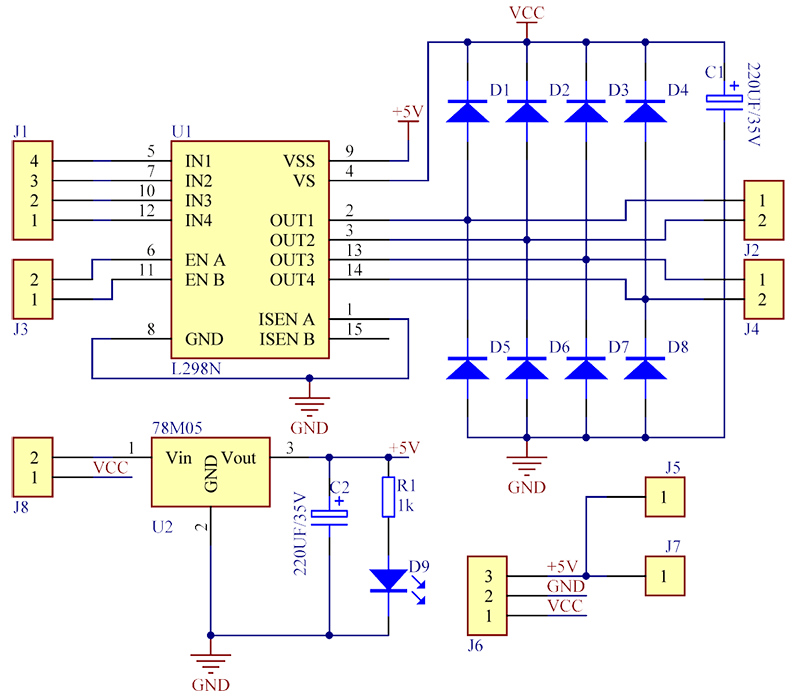
Proactive upkeep is the hidden strength behind every dependable electrical system. While wiring diagrams illustrate design intent, maintenance ensures the system performs reliably in real conditionsdespite vibration, temperature shifts, dust, or moisture. A well-preserved wiring network not only avoids unexpected shutdowns but also keeps all connections efficient.
In many cases, circuit malfunctions dont happen instantly. They begin as early-stage defects: a partially damaged joint or aging insulation. Without early detection, these tiny imperfections evolve into severe voltage drops. Preventive maintenance bridges the gap between theory and reality by catching small problems before they escalate.
A proper maintenance program starts with planned review cycles. Every wiring systemwhether used in cars, factories, or buildingsshould be visually examined at defined intervals. Look for loose fasteners, heat marks, and oxidation. Areas prone to movement or environmental stress require more frequent checks. Use mirrors, flashlights, and endoscopes to view hidden harness sections, and document every finding in maintenance logs for traceability.
Contamination control and environmental sealing are just as important as inspection. Oil, dirt, and humidity accelerate corrosion and resistance buildup at contact points. Clean connectors using approved contact cleaners and apply protective lubricant sparingly on weather-exposed joints. Avoid aggressive chemicals or sprays that damage seals. For outdoor systems, add rubber boots, sealing tape, or UV-resistant conduit to prevent moisture ingress.
Mechanical integrity defines long-term performance. Wires that lack proper support will wear out quickly. Support harnesses with rubber-lined brackets or clips, typically every 2030 cm, and include service loops or slack where motion occurs. Replace aging protective rings to prevent chafing on metal edges. Secure all ground straps firmly to bare metal, using serrated washers for low-resistance bonding.
Electrical verification is another pillar of preventive maintenance. Measure potential difference across major supply and return lines while circuits operate under load. Any reading above normal limits indicates hidden corrosion. Check continuity on standby circuits to confirm they remain intact. Use non-contact temperature sensors to reveal hotspots or weak joints invisible to the eye.
Documentation keeps maintenance organized and traceable. Every change, upgrade, or repair must be recorded on the wiring diagram. Label wires with durable printed IDs and note connector part numbers. In professional environments, revision logs ensure everyone references the same updated diagram. Technicians who document consistently build a maintenance history that accelerates future repairs.
Skill consistency and awareness form another key layer of preventive maintenance. Even experienced electricians make errors when working under pressure. Regular training and refresher sessions on measurement, safety, and assembly techniques keep teams consistent. Always verify tool calibrationan inaccurate meter or torque wrench can mislead diagnostics.
In high-reliability industries such as aerospace, energy, and manufacturing, smart monitoring systems now complement manual inspections. Sensors track temperature, current, and vibration, alerting technicians ahead of actual failure. This real-time strategy transforms maintenance from reactive to proactive, allowing problems to be neutralized early.
Preventive maintenance isnt just about repairing faults; its about preserving reliability. A wiring harness that remains clean, tight, and documented behaves stably and safely. Equipment uptime improves, and electrical safety is never compromised. The time and care invested repay themselves many times over in longevity and peace of mind.
Within the context of this manual, preventive maintenance serves as the bridge from design to operation. Understanding circuits is one skill; keeping them stable for years is another. By adopting structured maintenance programs, technicians transform good design into dependable operationensuring every connection, fuse, and clamp performs flawlessly when it matters most.