No electrical installation is truly safe without proper grounding. It equalizes potentials, shields equipment, and safeguards operators. Yet despite its importance, grounding is often ignored or misunderstood, leading to noise interference, hidden faults, and dangerous failures. A robust earthing design forms the foundation of electrical safety and reliability in any electrical network.
### **Purpose of Grounding**
At its simplest, grounding creates a common electrical reference among all metal parts. Without a shared earth reference, voltage can wander across dangerous levels, resulting in hazardous currents and erratic operation. By bonding all exposed metal and circuit points to earth, excess current from faults and transients flows safely into the earth instead of through sensitive circuits or operators.
Grounding fulfills three primary roles:
1. **Personnel Protection:** Limits shock energy and ensures operator protection.
2. **Equipment Protection:** Channels dangerous energy away from devices.
3. **Signal Integrity:** Minimizes noise and interference in control and communication circuits.
### **Types of Grounding Systems**
Different environments and networks demand specific grounding methods:
- **TN Systems (Terra Neutral):** Common in commercial facilities, where the supply neutral connects to earth and all metallic parts are bonded. Variants such as TN-S and TN-C define different grounding topologies.
- **TT Systems:** Consumers maintain independent grounding rods, isolated from the supply neutral. This design enhances fault isolation but requires RCDs.
- **IT Systems:** Neutral is isolated or impedance-grounded, allowing continued operation after a single fault. Found in marine, medical, and continuous-process environments.
Selection depends on the trade-off between protection, continuity, and maintenance effort.
### **Design Principles**
An effective grounding system begins with low-resistance earth electrodes. Target resistance is typically below industry thresholds, though data centers and power plants may require 1 ohm or less. environmental factors directly affect performance; engineers often improve conductivity using chemical rods or conductive backfill.
**Bonding** links all metallic partsframes, conduits, trays, and structuresinto a unified grounding network. Bonding conductors must be low-inductance and mechanically robust, with clean terminations to prevent corrosion. Star grounding suits sensitive control networks.
**Ground loops** occur when different grounding points create circulating currents, injecting noise into signal lines. The cure is proper analog/digital ground separation joined at one node. For high-frequency circuits, use flat conductors with minimal impedance.
### **System Stability and Noise Control**
A solid grounding design enhances both protection and EMC performance. Power electronics, VFDs, and communication lines generate high-frequency interference that couples into nearby wiring. Shielding and grounding function together to absorb and redirect this energy. Use 360° terminations for high-frequency shields, and single-ended grounding for sensitive analog circuits.
Integration with surge arresters is essential. Voltage spikes from storms or switching must have a short path to ground. Without low inductance, energy reflects into circuits, damaging electronics.
### **Testing and Maintenance**
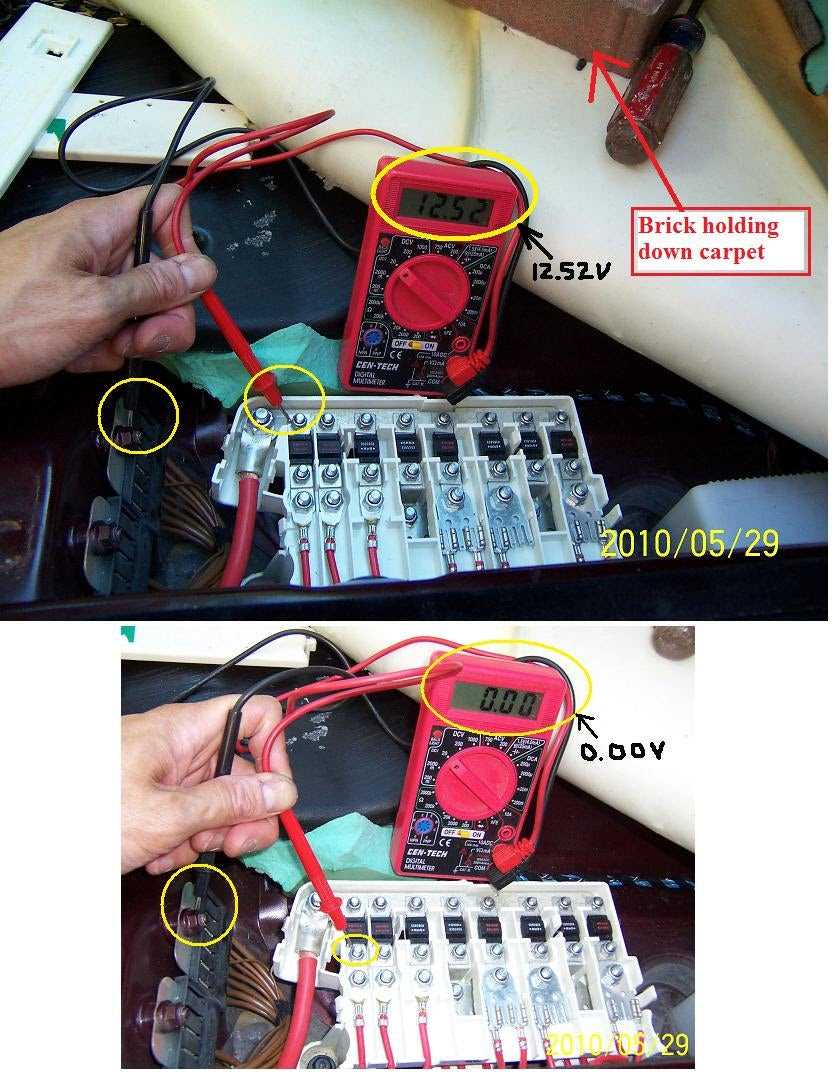
Even perfect grounding systems degrade over time. Corrosion, loosening, and soil drying increase resistance. Periodic testing using earth-resistance meters or clamp testers ensures consistent protection levels.
In critical sitesdata centers, refineries, and airportsmonitoring is often real-time. Ground-potential sensors and alarms detect rising resistance or abnormal voltages. Maintenance teams log results, trend data, and adjust proactively.
### **Integration with Modern Design**
Todays smart systems combine earthing with IoT monitoring. Embedded diagnostic probes record real-time performance data. Software then visualizes earthing conditions, helping engineers locate weak points instantly.
As renewables and distributed power sources expand, grounding strategies evolve. Photovoltaic arrays and inverters require special grounding to manage floating potentials. International standards such as IEC 62109 and IEEE 1547 define how new technologies maintain stability and protection.
### **Conclusion**
Grounding is not just a safety accessory; its the electrical systems silent stabilizer. Proper design ensures fault energy finds its way to earth, keeping machines operational and operators protected. When maintained with discipline and foresight, grounding transforms from a static component into a living safety system.