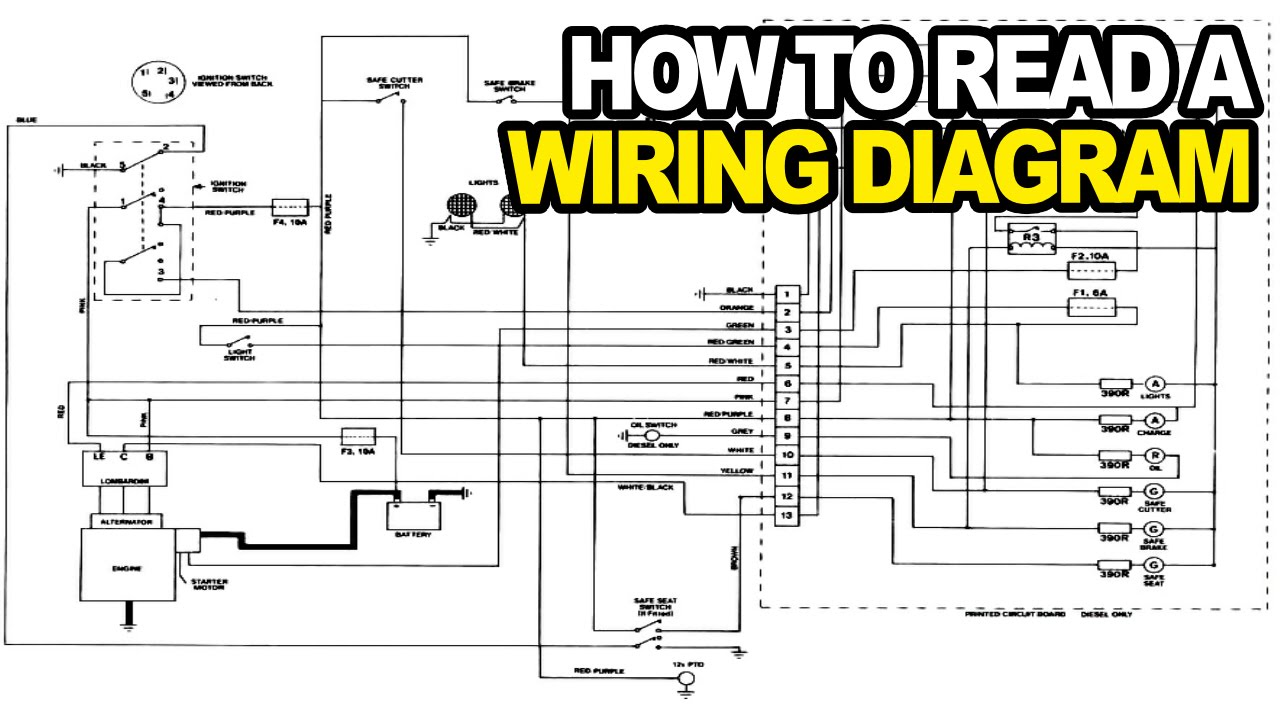
Todays complex electrical architectures have grown far beyond basic mechanical controls. They now include microcontrollers, sensors, and communication buses, all linked via layered wiring systems. Diagnosing faults in such systems requires more than intuition or experienceit demands a logical process supported by accurate tools. Without a systematic approach, troubleshooting quickly turns into guesswork that drains efficiency and reliability.
Diagnostics is the art and science of comparison. It observes how a system should behave versus how it actually behaves. Success begins by establishing reference points: voltage, waveform, or logic state. Each data point captured offers clues that, when combined, reveal the precise fault origin.
### **1. Fundamental Tools**
The foundation of every diagnostic process is the universal measuring instrument. It measures voltage, current, and resistance with accuracy and repeatability. Whether youre checking battery supply, ground integrity, or sensor feedback, the DMM provides the first layer of confirmation. Its beeper and forward-bias tests quickly expose broken links or polarity faults.
The waveform analyzer extends measurement into the time domain. It reveals how voltage varies under load, displaying waveforms that tell stories about circuit activity. For PWM, communication, or switching regulators, oscilloscopes visualize distortion, missing pulses, or delay. Multi-channel scopes can compare input and output to assess signal timing relationships.
non-contact current tools measure current without breaking circuits. They use magnetic induction to detect flow through conductors, ideal for energized installations. Modern DC-capable models reveal startup surges and parasitic draws that static tests may miss.
### **2. Advanced Diagnostic Instruments**
When the problem hides deeper, technicians turn to dedicated diagnostic equipment. Logic analyzers capture serial communication like CAN, LIN, or UART, translating binary signals into human-readable data. This is vital when modules communicate and simple measurements cant explain failures.
Meggers apply high voltage to detect leakage or weak insulation. In critical systems, this prevents catastrophic insulation failure.
Cable analyzers locate breaks, impedance changes, or shorts. Theyre indispensable for high-end communication cables.
At component level, precision analyzers measure electrical parameters with high accuracy. This detects degraded capacitors. infrared imagers visualize temperature anomalies, instantly exposing loose joints, overloaded wires, or hidden shorts.
### **3. Measurement Strategy**
Tools mean little without discipline and logic. Effective troubleshooting follows a structured path:
- **Visual Inspection:** Look for physical damage, wear, or contamination. Over half of faults are found visually.
- **Power & Ground Verification:** Confirm voltage supply and low resistance returns. Voltage drops cause most failures.
- **Signal Analysis:** Observe waveform shapes and timing during real operation.
- **Comparative Testing:** Measure against known-good systems.
- **Functional Simulation:** apply test loads safely to confirm repairs.
Record all observations. Documentation creates traceable knowledge, turning data into predictive maintenance.
### **4. Safety and Calibration**
Safety ensures accuracy. Before testing, inspect probes and leads. Calibrate instruments regularly to avoid misleading data. Always respect CAT ratings: never use a low-rated meter on high-energy systems. For energized HV systems, use differential probes, isolation transformers, or optically isolated links.
### **5. Data Integration and Modern Trends**
Diagnostics is becoming data-driven. IoT-enabled meters and scopes stream data directly to the cloud. This enables remote monitoring, predictive analytics, and fault trending. Automated Test Systems (ATS) now perform hundreds of tests per second, ensuring consistency and reproducibility. Combined with AI-assisted analytics, they recognize fault signatures before failures occur.
### **6. The Human Element**
Despite automation, the human mind remains irreplaceable. Instruments display data, but experience interprets meaning. Skilled engineers correlate symptoms, readings, and history. They know that a strange voltage or waveform may be a side effect of another fault. Effective diagnosis combines reasoning with field sense.
Ultimately, the goal is not just to measure, but to understand. The right tools amplify insight, turning electrical behavior into a readable story. Mastering measurement transforms chaos into claritythe essence of intelligent troubleshooting.