Circuit failures are among the most common challenges faced by technicians and engineers, whether in vehicles, automation panels, or electronic devices. They arise not only from initial mistakes but also from natural wear and exposure. Over time, these factors degrade insulation, loosen terminals, and create unstable electrical paths that lead to intermittent faults.
In real-world troubleshooting, faults rarely appear as obvious failures. A poor earth connection may mimic a bad sensor, a corroded connector may cause intermittent shutdowns, and a short circuit hidden inside a harness can disable entire subsystems. Understanding the causes and mechanisms of failure forms the foundation of any diagnostic method. When a circuit fails, the goal is not merely to swap parts, but to find the source of failure and restore long-term reliability.
This section introduces the common failure types found in wiring systemsopen circuits, shorts, voltage drops, poor grounding, and corrosionand explains their diagnostic indicators. By learning the underlying principle of each fault, technicians can interpret field clues more effectively. Continuity checks, voltage loss tests, and careful observation form the basis of this methodical approach, allowing even dense harness assemblies to be broken down logically.
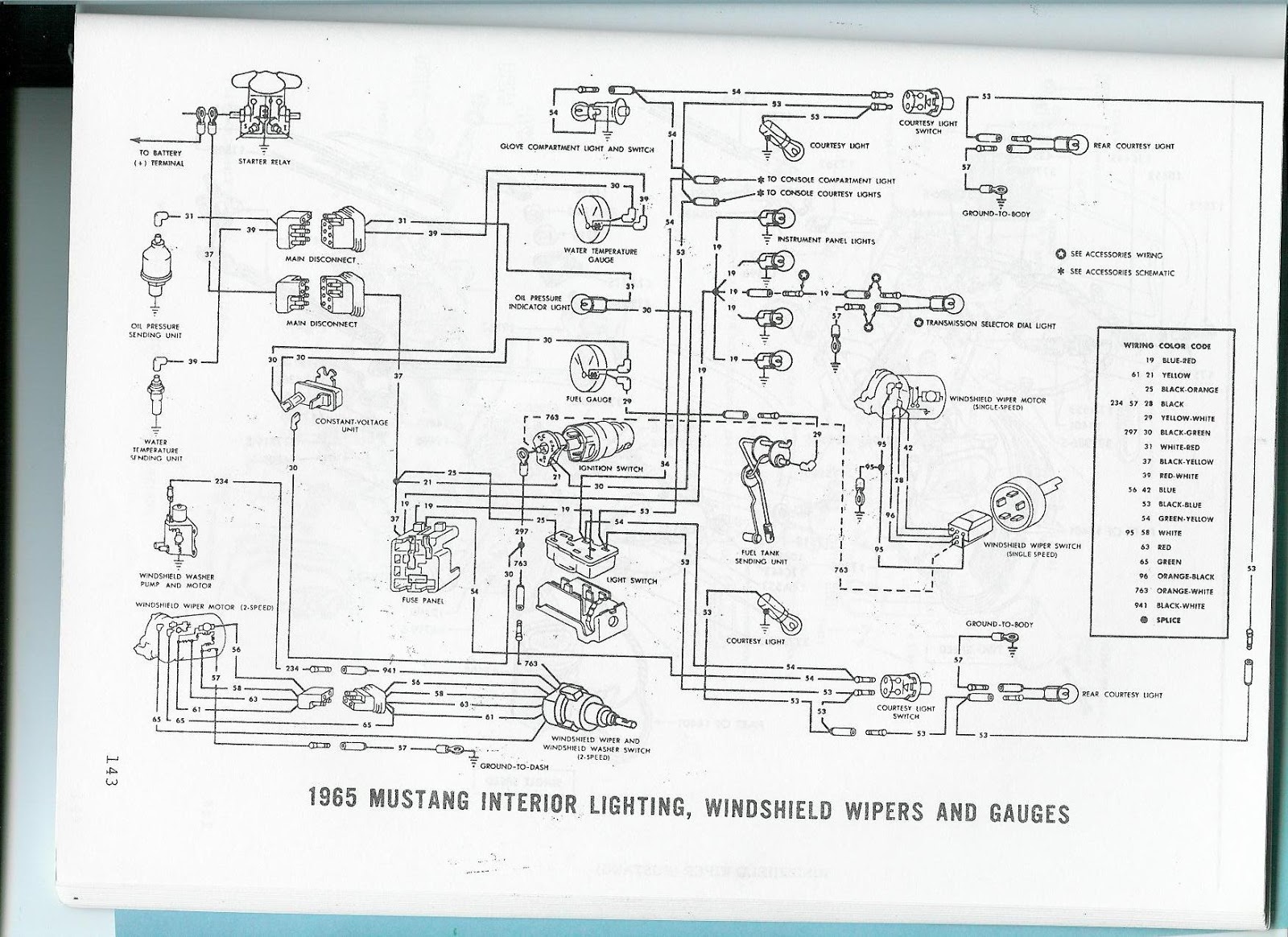
Each failure tells a pattern about electrical flow and resistance. A broken conductor leaves an open circuit; worn covering lets current leak to ground; an oxidized joint adds invisible impedance that creates voltage imbalance. Recognizing these patterns turns flat schematics into living systems with measurable responses.
In practice, diagnosing faults requires both instrumentation and intuition. Tools such as DMMs, scopes, and current probes provide quantitative data, but technical judgment and familiarity determine where to measure first and which values truly matter. Over time, skilled technicians learn to see current flow in their mental models, predicting weak points or likely failures even before instruments confirm them.
Throughout this manual, fault diagnosis is treated not as a standalone process, but as a natural extension of understanding circuit logic. By mastering the core principles of Ohms law, technicians can identify which part of the circuit violates those rules. That insight transforms troubleshooting from guesswork into structured analysis.
Whether you are servicing industrial panels, the same principles apply: trace the flow, verify return paths, and let the measurements reveal the truth. Faults are not randomthey follow predictable electrical patterns. By learning to read that story within each wire, you turn chaos into clarity and restore systems to full reliability.