Overcurrent protection units are the hidden safeguards of every wiring system. They act as watchful shields, standing between power flow and the devices that depend on it. Without them, even a minor faultsuch as a line-to-line short or current surgecould damage valuable components or cause fire hazards. This discussion explores their operating principles, their importance, and how technicians use them to ensure reliability and safety.
At the core of any protective strategy lies one simple goal: to interrupt current flow when it exceeds safe limits. Every conductor, terminal, and device in a circuit is designed to handle a specific current rating. When that limit is breached, the result is heat buildupsometimes enough to melt insulation or cause combustion. Protection devices act as automatic switches that open the circuit before damage occurs. They are not just optional parts; they are fundamental safety mechanisms that define the reliability of every electrical installation.
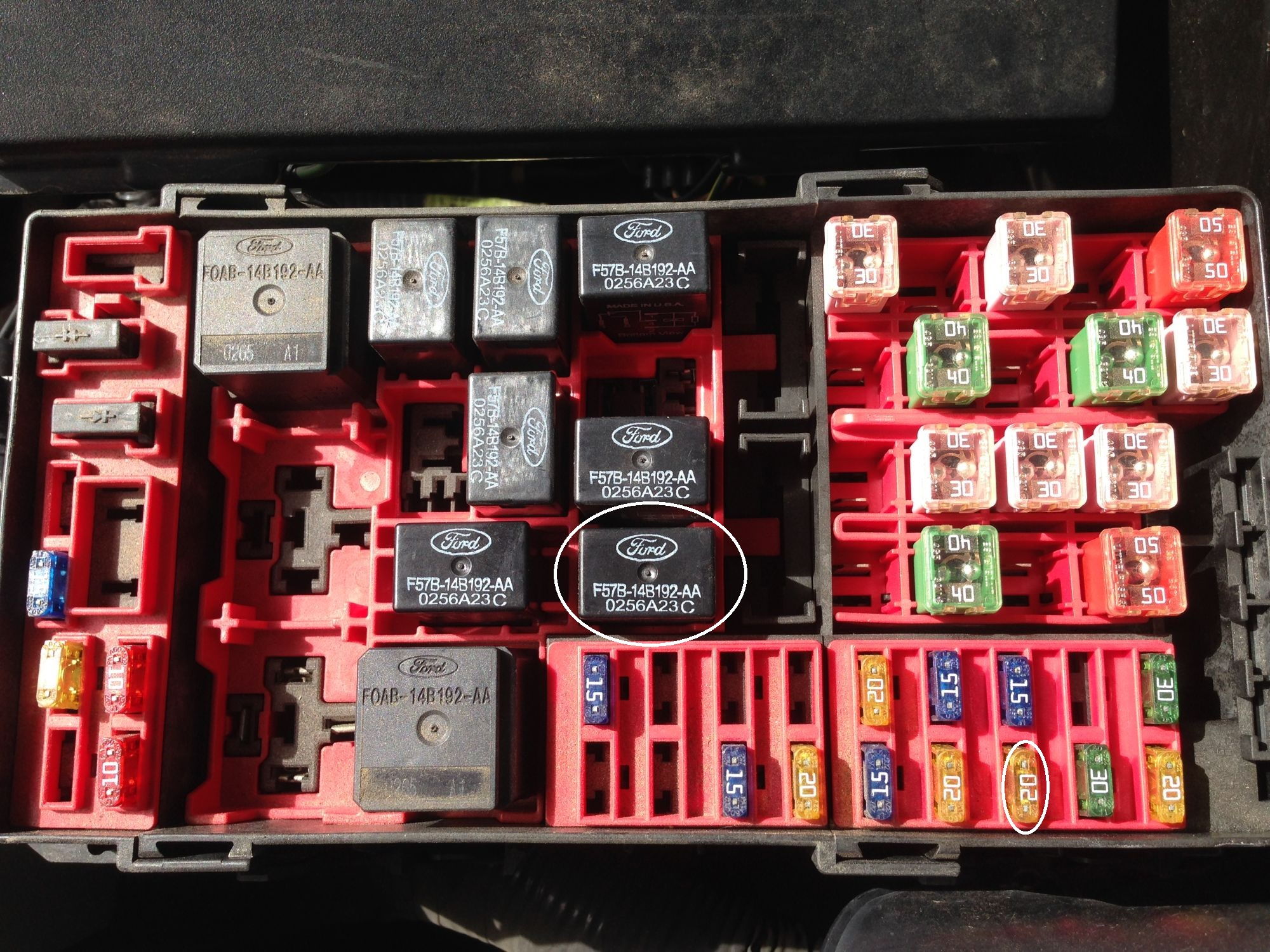
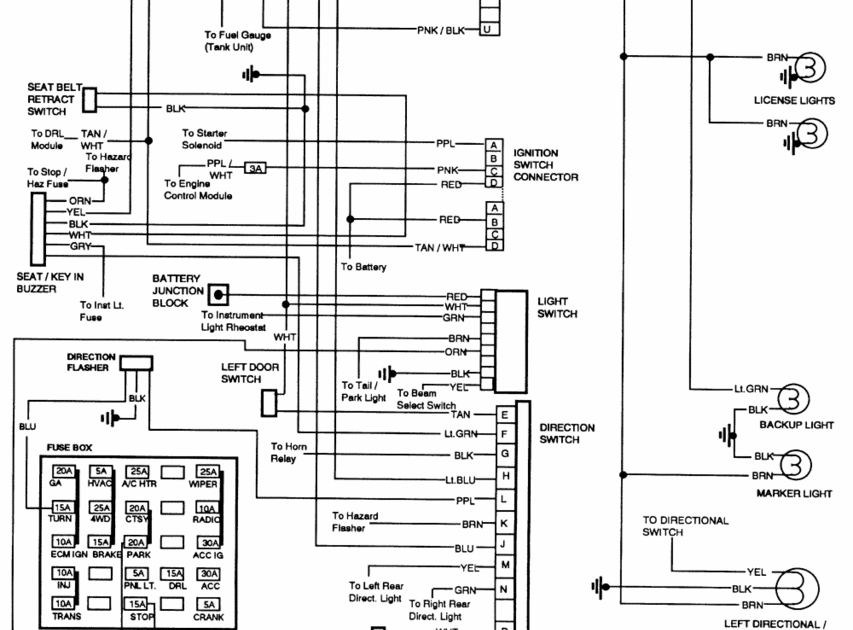
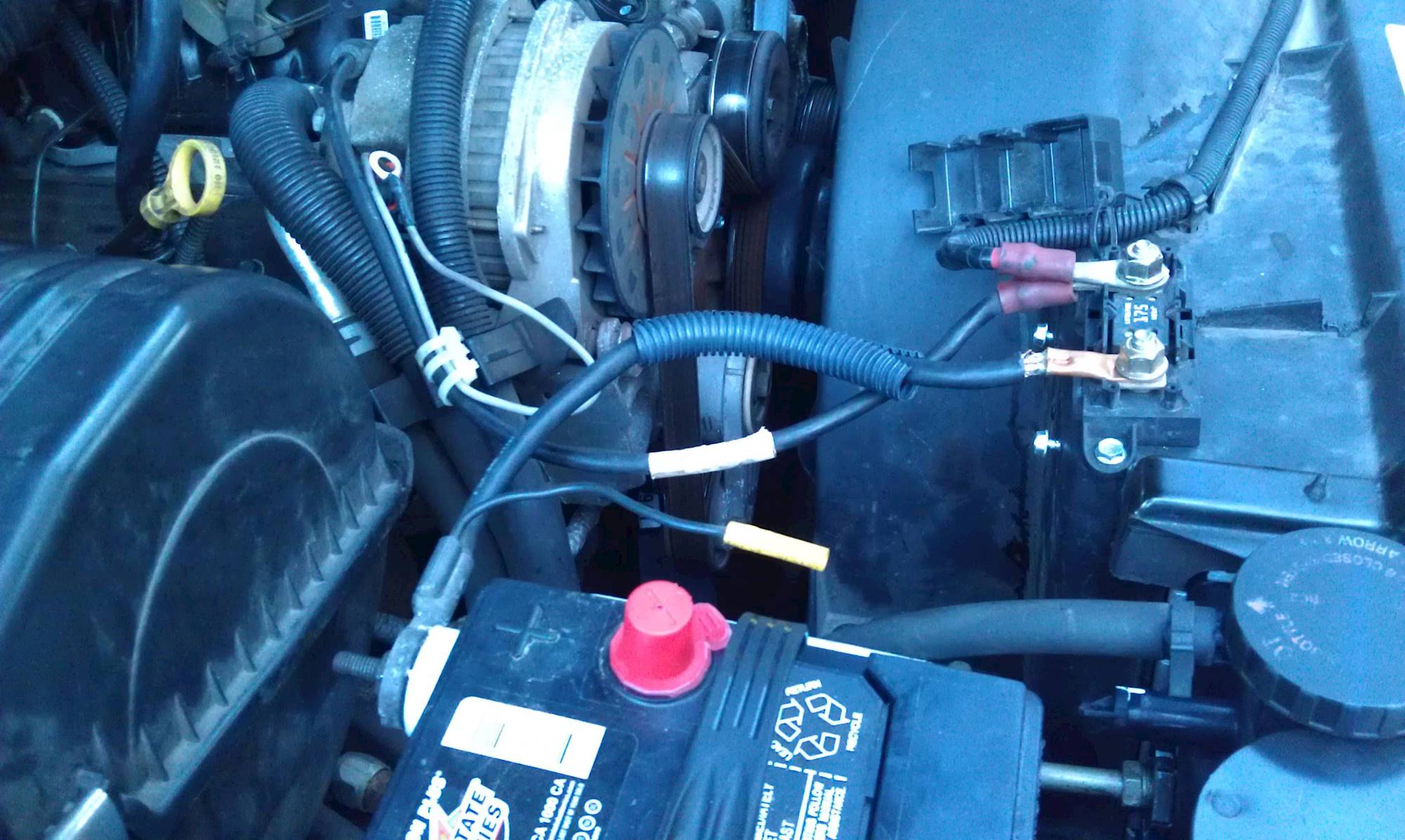
Cartridge fuses are the simplest and most widely used protection elements. They contain a delicate fuse wire that blows when current exceeds a rated value. Once blown, the fuse must be replaced, which provides a clear physical clue that a fault has occurred. The advantage of fuses lies in their precision and speedthey react almost instantly to overcurrent conditions. However, their one-time operation makes them more suitable for systems that rarely fail, such as consumer electronics or small appliances.
In contrast, automatic breakers perform the same protective function but can be re-engaged after tripping. Inside a breaker, a thermal mechanism or electromagnetic coil responds to excess current, activating a mechanical latch that opens the contacts. Once the fault is cleared, the breaker can be reset manually or automatically depending on design. This makes breakers ideal for industrial systems where continuous operation is essential. Breakers also come in various typesthermal, magnetic, and hybrideach tuned for different fault response characteristics.
Another critical device in modern systems is the earth-leakage breaker. These units detect the balance between current flowing in the live and neutral conductors. If even a small difference is detected, indicating current leakage to ground, the device trips instantlyoften in millisecondsto prevent electric shock. This life-saving technology is required in outdoor environments such as bathrooms and outdoor panels.
SPD devices defend circuits from transient voltage spikes caused by power grid surges. They work by absorbing spikes and diverting it safely to ground before it reaches sensitive equipment. Surge protective devices (SPDs) are classified by energy absorption capacity and reaction speed. When properly installed, they act as the first line of defense for electronic systems, particularly in automation panels and industrial control systems.
While each device serves a specific role, true protection comes from combining them strategically. For instance, a power distribution panel might use fuses for branch circuits and lightning arrestors for transient control. This layered defense ensures that no single fault can propagate through the entire network. Engineers refer to this as selective coordination, where each device acts in sequence, isolating only the faulty part of the circuit.
Routine testing and servicing play equally vital roles. Over time, circuit protectors can degradefuse clips corrode, coils weaken, and SPDs lose capacity after repeated surges. Regular testing with insulation resistance meters and thermal imaging cameras helps detect weak points before they cause downtime. Professionals also document tripping history, as repeated faults often indicate systemic wiring problems rather than random failures.
In advanced installations, protection is no longer purely mechanical. Solid-state protection systems uses semiconductor-based switches to monitor and limit current dynamically. These smart fuses can respond within microseconds and provide instant diagnostics through digital networks, allowing remote monitoring and automatic fault isolation. They are increasingly used in electric vehicles, where precision and uptime are critical.
Ultimately, understanding electrical protection devices means understanding responsibility. Every protective component is a barrier against electrical hazards. When selected, installed, and maintained properly, they embody the principle that safety defines good design, not convenience.