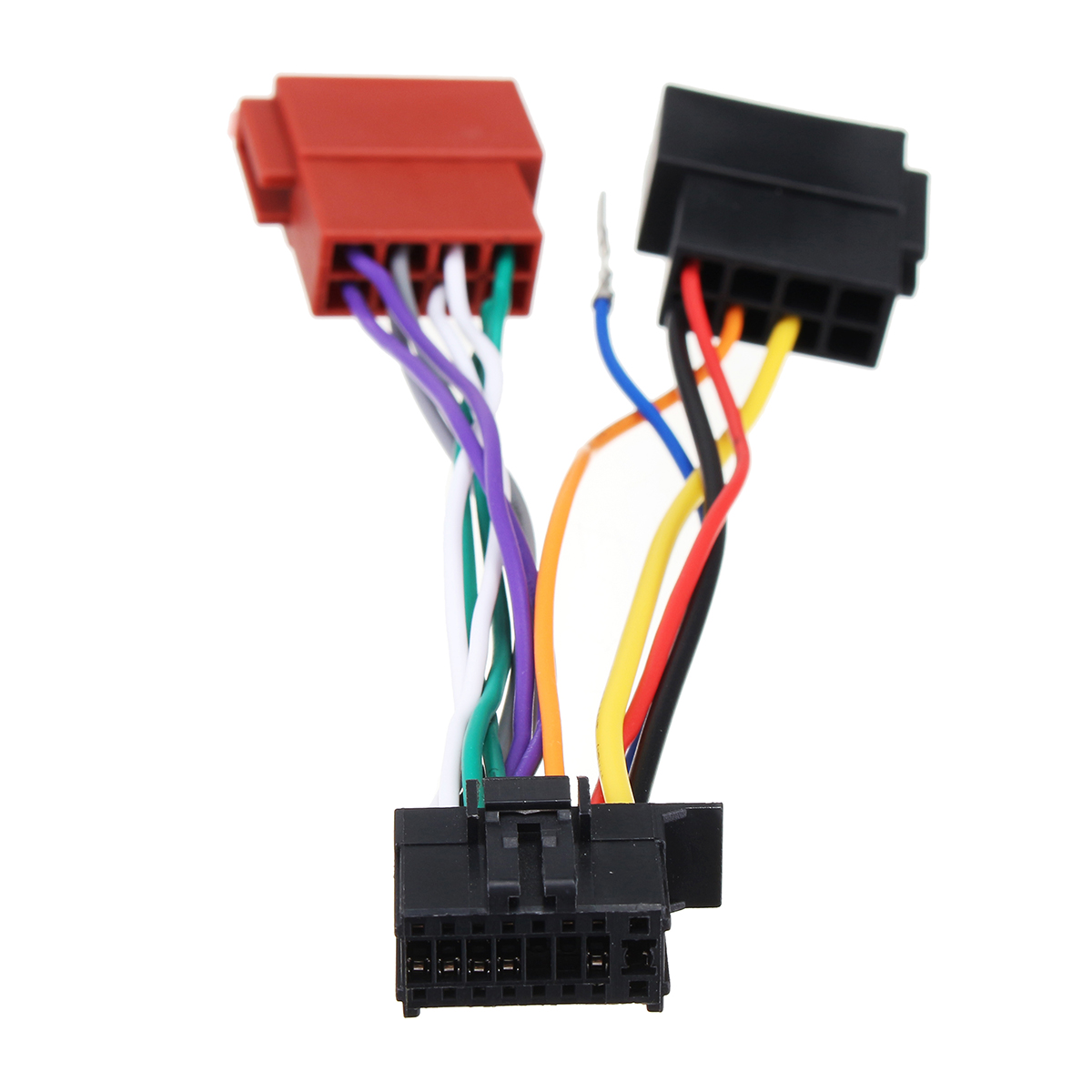
Electrical safety is the cornerstone of all wiring design. Regardless of how complex a design may be, it becomes hazardous if installed or maintained improperly. Wiring safety standards exist not only to preserve assets but also to safeguard human life. Understanding these standards and applying best installation practices ensures that power and signals flow exactly where intendedwithout risk of injury, overload, or hazard.
Electrical hazards usually arise from a few consistent factors: improper design, poor installation, or lack of maintenance. Safety begins long before the first wire is connected. The designer must choose conductor sizes, insulation ratings, and protection devices that match both the load and environment. undersized wires, missing fuses, and weak joints are among the top contributors to electrical failure.
### **International Standards**
Global safety frameworks such as the IEC (International Electrotechnical Commission), NFPA (National Fire Protection Association), and ISO safety documents provide the foundation for wiring safety. IEC 60364 governs low-voltage systems, specifying criteria for cable sizing, insulation, and grounding. The U.S. NEC standard defines rules for conductor layout and circuit protection.
For machine control, IEC 60204 Part 1 covers machine-level wiring and control circuits, detailing panel layout and E-stop wiring. UL specifications define certification of materials and devices to ensure consistent performance under stress.
Compliance is not optionalit is a legal and moral responsibility. It protects both engineer and operator, guaranteeing that the installation functions safely under expected loads and environments.
### **Grounding and Bonding**
Proper grounding is critical to system integrity. A well-designed ground system stabilizes voltage, dissipates fault current, and prevents shock. All exposed metals must be bonded and connected to earth. In multi-voltage or AC/DC mixed systems, ground networks should meet at a single reference point to prevent loop interference.
Ground conductors must be short, direct, and properly sized. Avoid sharp bends that increase impedance. Star washers, clean metal contact surfaces, and bonding straps ensure low resistance and consistent continuity.
### **Protection and Isolation**
Circuit protection devicesfuses, breakers, and residual-current devices (RCDs)are the first line of defense against overloads and faults. Ratings must match conductor limits and ambient factors. Oversized fuses fail to protect, while undersized ones cause nuisance trips.
Isolation components such as transformers, optocouplers, and insulated terminals prevent dangerous voltage transfer. Maintaining adequate clearance and creepage prevents arcing or insulation breakdown.
### **Cable Selection and Routing**
Cable choice defines system durability and reliability. Conductor size must handle continuous current with margin, and insulation must resist heat, oil, and UV. In corrosive or outdoor environments, use chemical or UV-resistant jackets. For flexing machinery, choose multi-strand wires with flexible insulation.
Routing requires organization and protection. Power and control lines should be separated to reduce cross-talk and EMI. When crossing, do so at 90 degrees. Clamp cables securely, avoid sharp bends or excessive pull, and protect with mechanical guards and sleeves.
### **Labeling and Documentation**
Clear identification is part of engineering order. Every component and junction must have durable labeling that matches the schematic plan. This enables safe maintenance and reduces service errors. Use heat-shrink labels or laser marks for longevity.
Up-to-date schematics, inspection logs, and revisions ensure that technicians know exact layouts. Missing or outdated diagrams are a hidden hazard.
### **Installation Environment**
Environmental conditions dictate additional protection. In wet or corrosive sites, use sealed connectors and junction boxes. In dusty or explosive zones, enclosures must meet explosion-proof certification. Cables under motion require strain relief and slack to prevent mechanical failure.
Temperature control is vital. Heat accelerates insulation breakdown, while low temperatures cause cracking. Install insulating panels near heat sources.
### **Testing and Verification**
Before energizing, perform electrical validation. Verify that breakers and RCDs operate as expected, and ground resistance meets standards. Record results in a commissioning report as a baseline for ongoing maintenance.
Periodic re-testing ensures long-term safety. Many facilities schedule routine diagnostics throughout the year. Treat safety as a continuous responsibility, not a one-time action.
### **Professional Responsibility**
Safety standards only work when followed with integrity. Technicians must recognize that shortcuts endanger lives. A neatly routed, properly labeled, well-protected wiring system reflects discipline and competence.
Ultimately, safety transforms knowledge into trust. Every joint, shield, and terminal contributes to a network that not only delivers power reliably but also protects life and property. When safety becomes instinct, wiring design evolves from simple connectivity into engineering integrity.